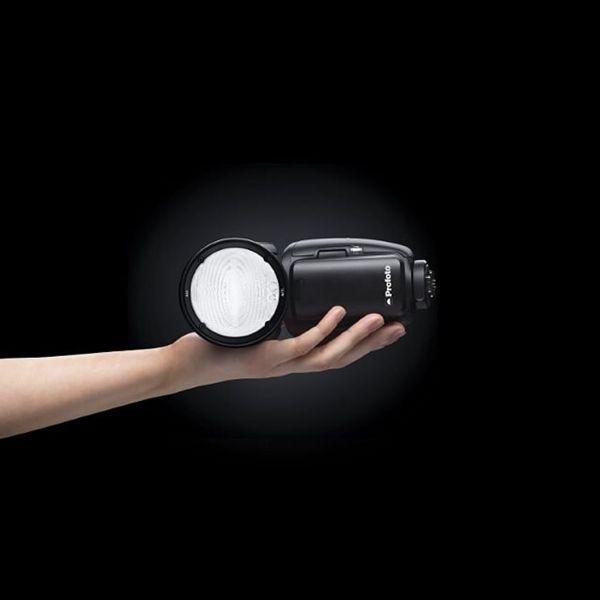
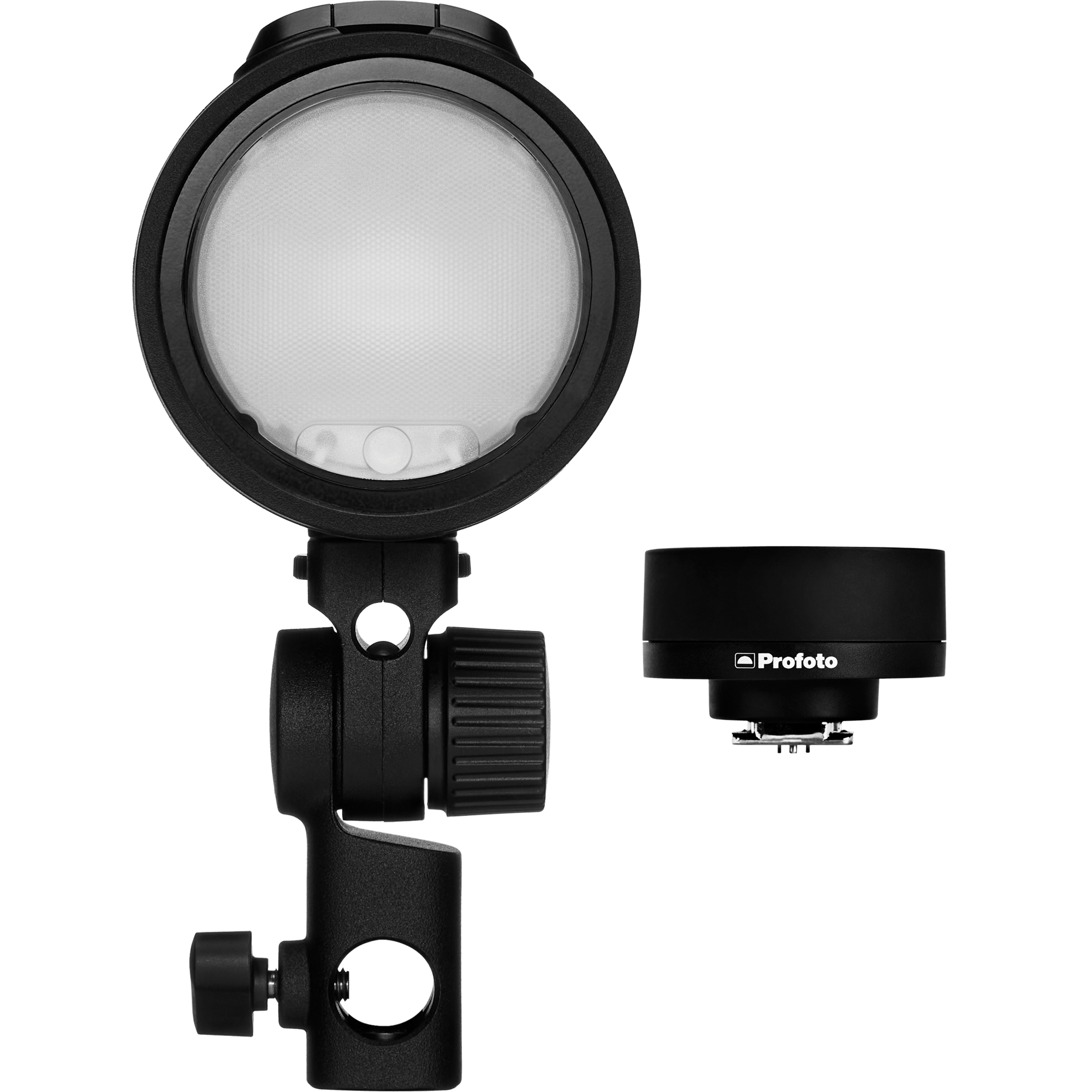
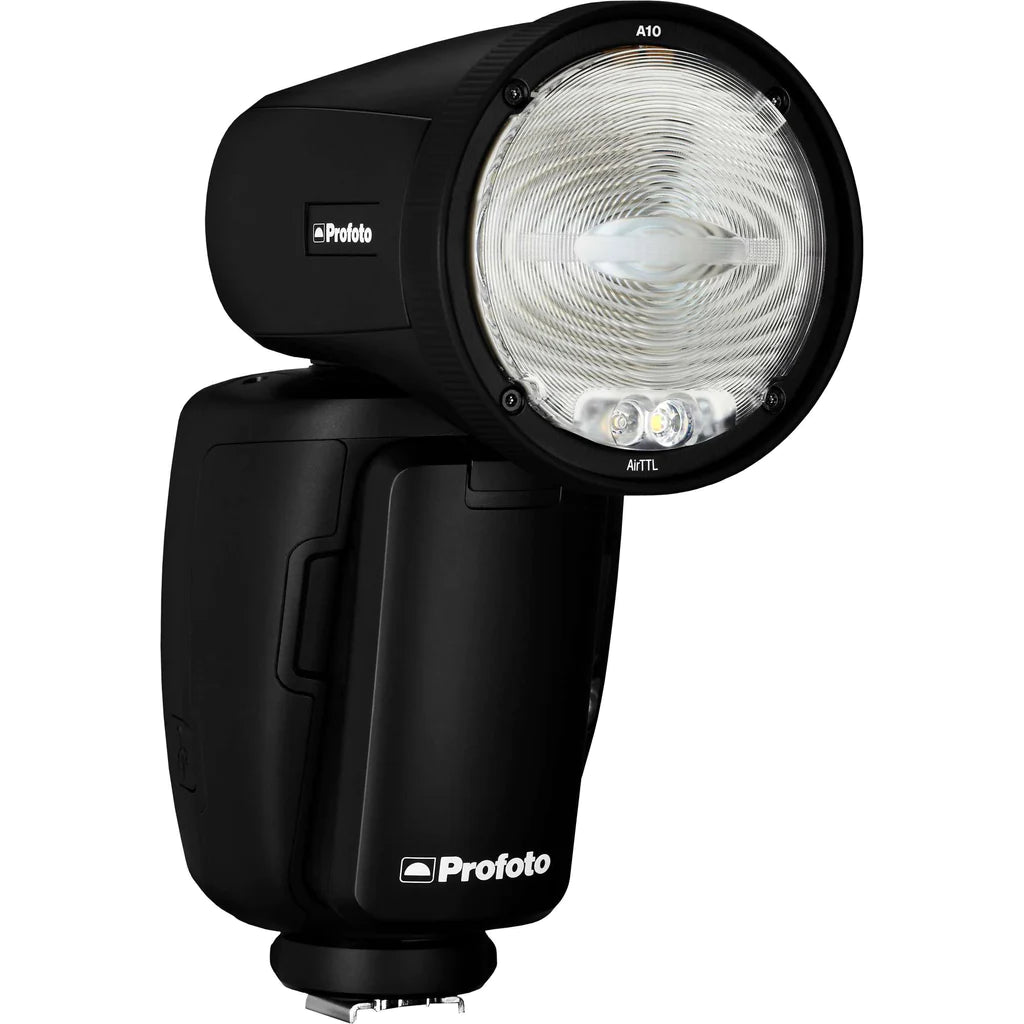
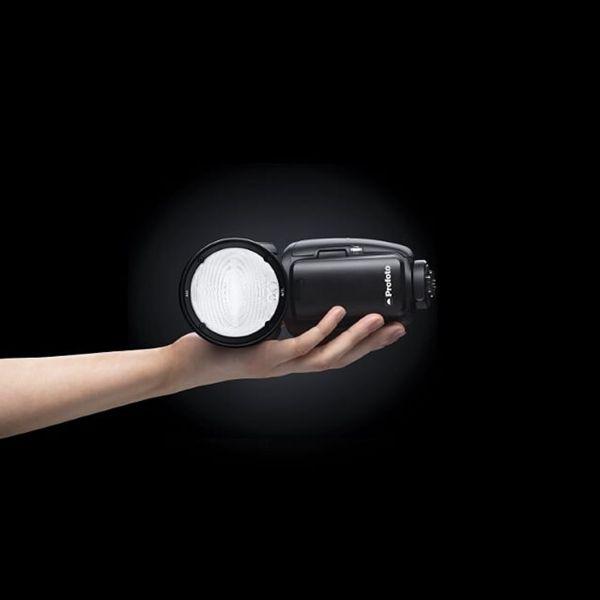
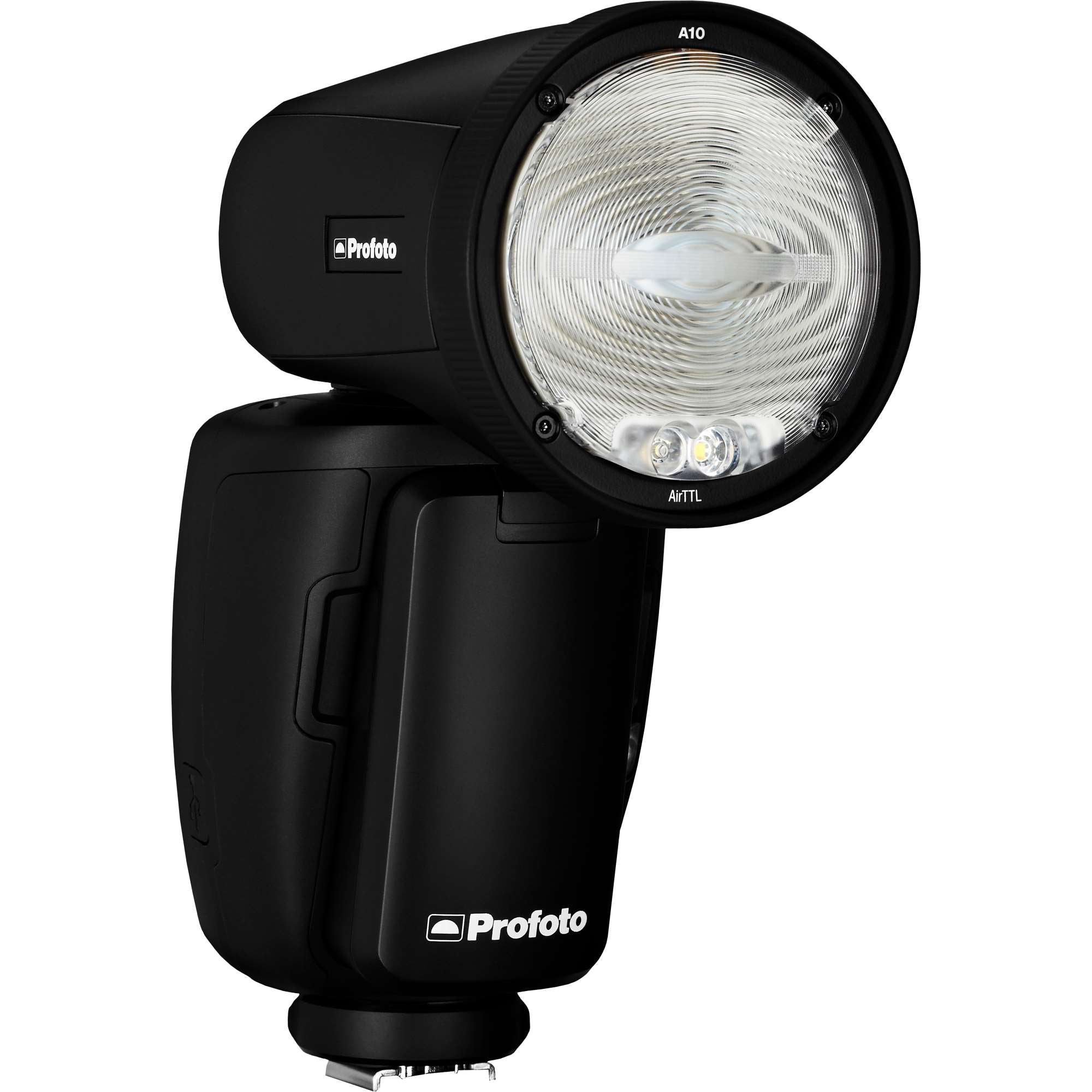
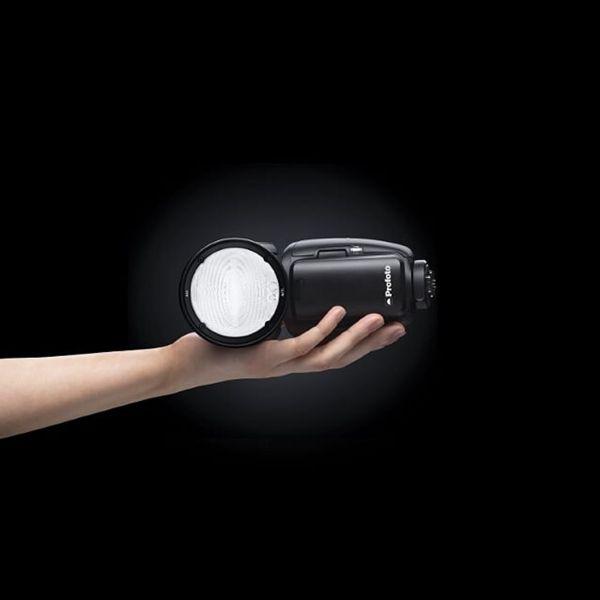
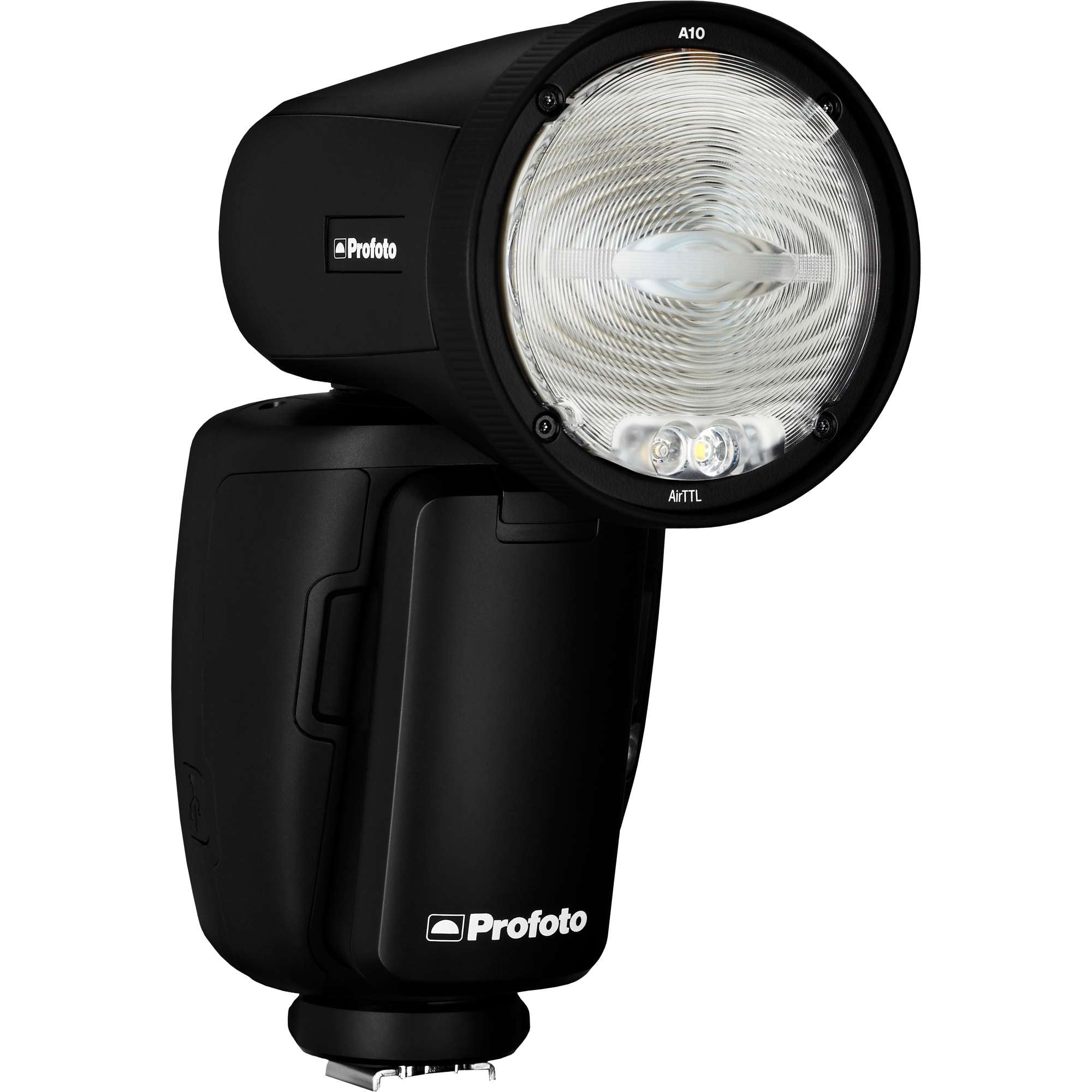
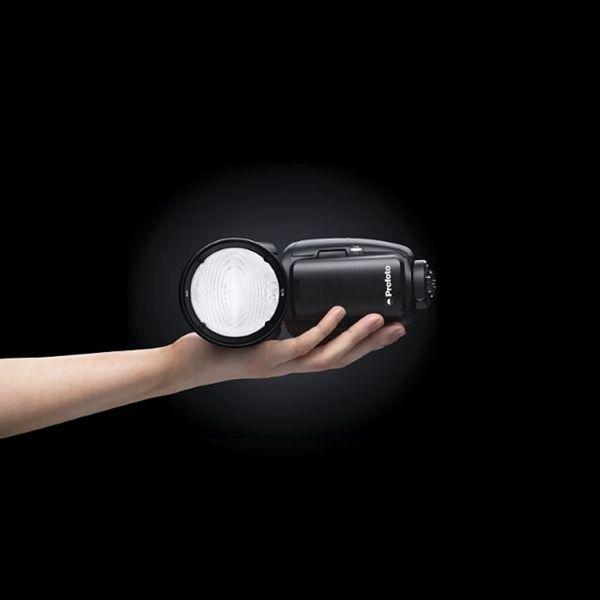
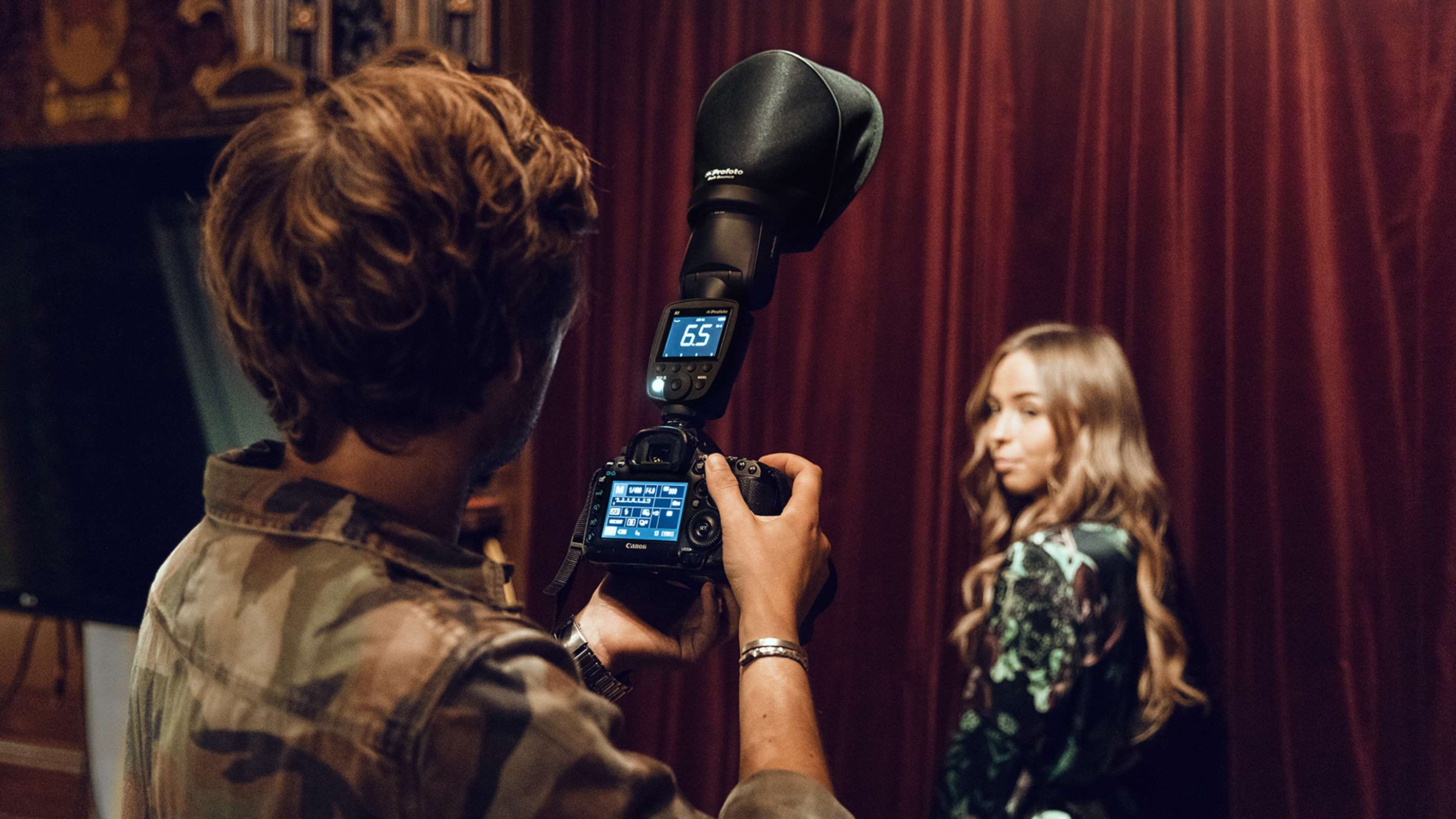
On-camera flash heads are one of the most practical lighting tools any photographer can own. Whether you're shooting weddings, events, portraits, or everyday snapshots, a reliable flash unit mounted to your camera's hot shoe gives you full control over how your subject is lit — no matter the conditions.
These compact flash units sit directly on top of your camera or connect via a the camears hotshoe, cable, delivering a powerful burst of light exactly when the shutter fires. They're designed to be lightweight and portable, making them ideal for photographers who need to move quickly without lugging around heavy studio equipment. Despite their size, modern on-camera flash heads pack serious output, that can comfortably light subjects at distances.
Why Use an On Camera Flash Head?
Natural light is often preferable when it's available, but it's not always enough. Indoors, at evening events, or in harsh midday sun where shadows are unflattering, a flash head gives you the ability to shape and supplement the light. Fill flash outdoors can lift shadows under the eyes and chin, while indoors it can be the difference between a sharp, well-exposed image and a noisy, underexposed one.
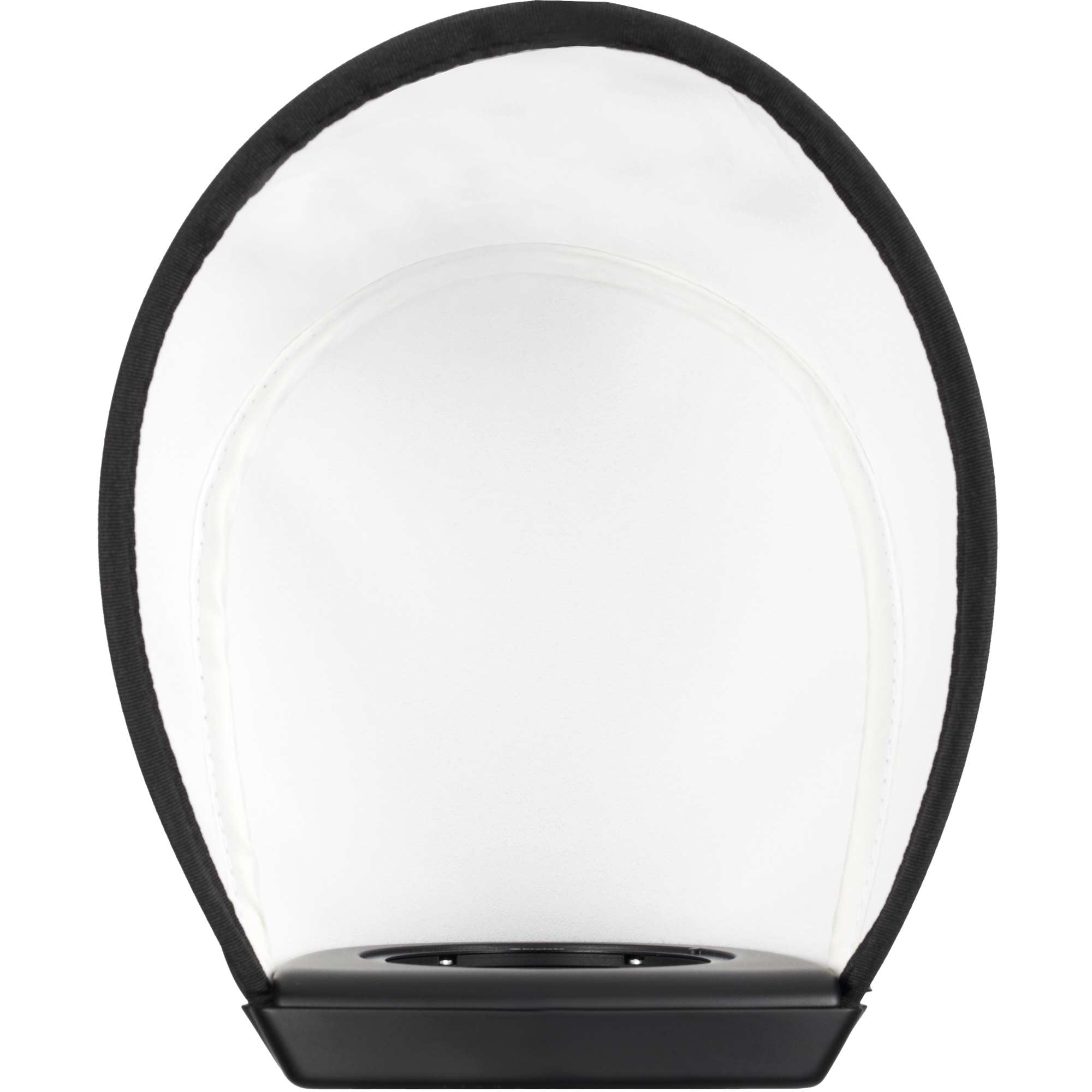
Beyond simply adding light, on-camera flash heads open up creative possibilities. Bounce the flash off a ceiling or wall to create soft, diffused lighting that looks natural. Use it with a diffuser cap or a mini softbox to take the edge off direct flash. Combine it with coloured gels to match ambient lighting or add creative colour effects. The versatility is enormous for such a small piece of kit.
Key Features to Look For
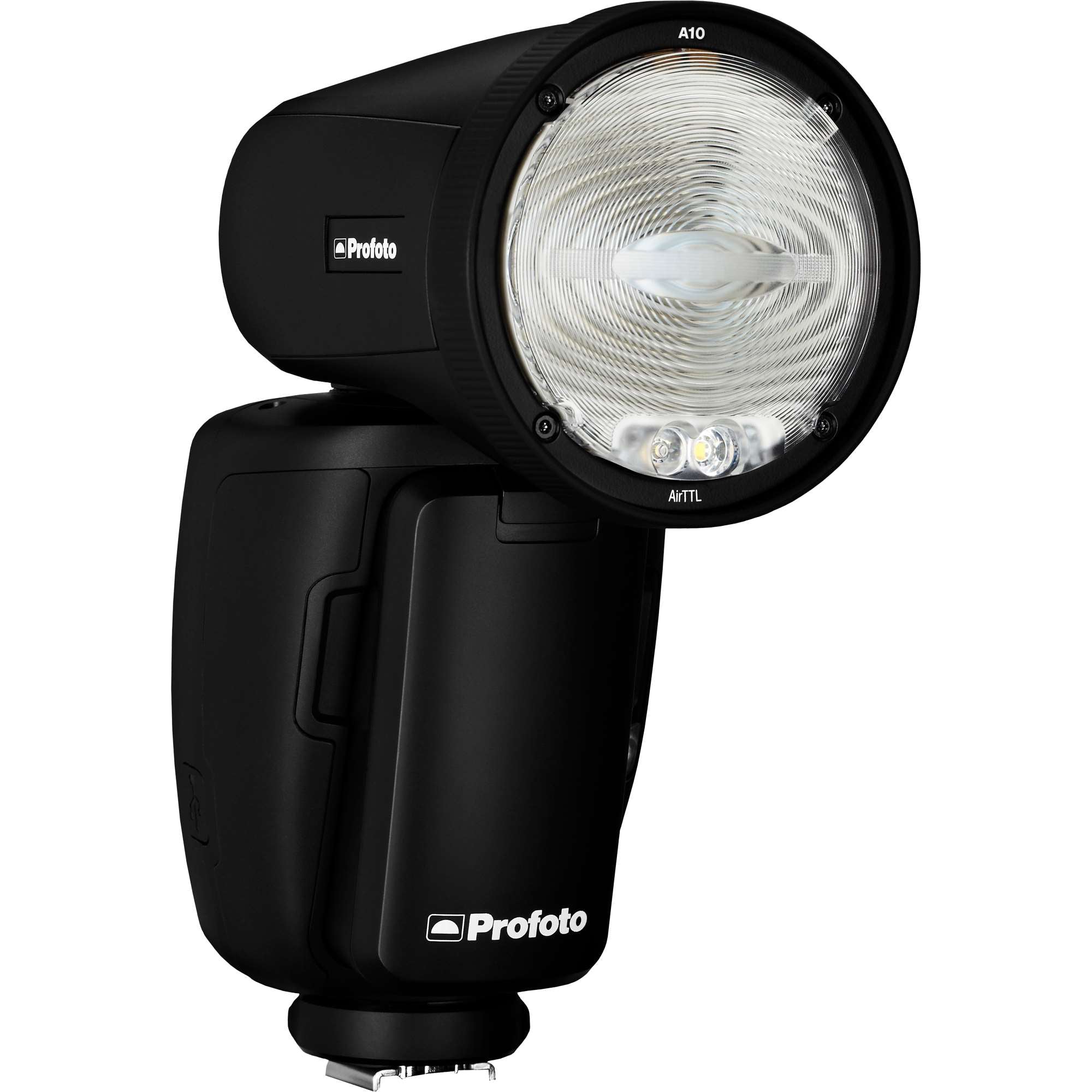
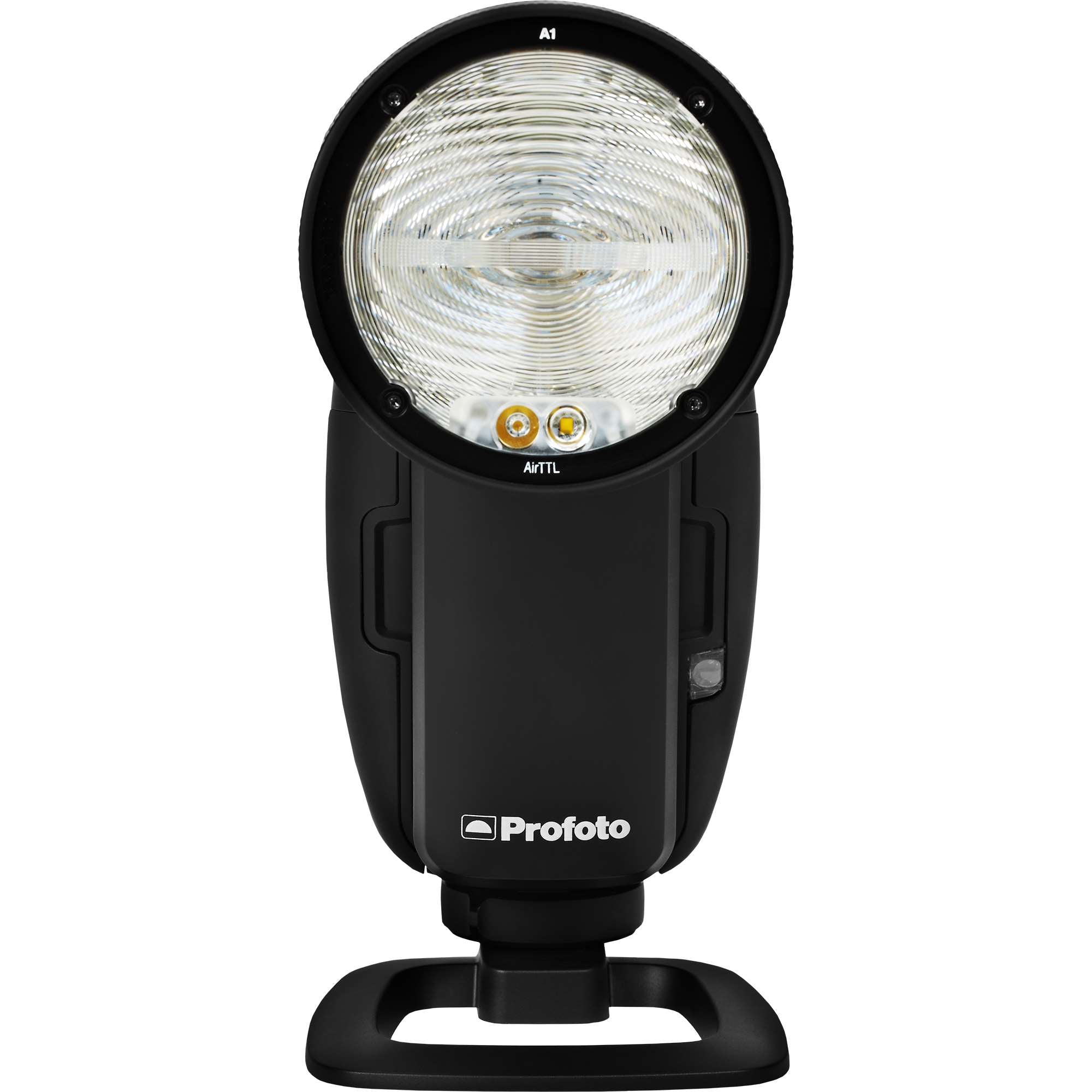
Adjustable Power Output – Most quality flash heads such as out Profoto A10's let you dial the power up or down manually, giving you precise control over exposure. This is essential for balancing flash with ambient light and for working in different environments.
Tilt and Swivel Head – A flash head that tilts upward and rotates sideways lets you bounce light off ceilings, walls, and reflectors. This is one of the simplest ways to dramatically improve the quality of your flash photography, turning harsh direct light into something much softer and more flattering.
Zoom Functionality – Many flash units have a built-in zoom that adjusts the spread of light to match your lens focal length. At wider angles, the flash spreads the light broadly. At longer focal lengths, it concentrates the beam for greater reach. Some units do this automatically when paired with compatible cameras.
TTL (Through The Lens) Metering – TTL flash metering communicates with your camera to calculate the correct flash output automatically. It's a massive time-saver in fast-paced shooting situations like events or photojournalism, where you don't have time to chimp every shot and adjust manually.
High-Speed Sync (HSS) – Standard flash sync speeds typically cap out around 1/200s or 1/250s. High-speed sync lets you use flash at much faster shutter speeds, which is particularly useful for outdoor portraits where you want a wide aperture for shallow depth of field but need flash to fill in shadows.
Wireless Capability – Many modern flash heads can be triggered wirelessly, either via built-in radio systems or optical slaves. This means you can take the flash off-camera entirely, opening up a whole world of off-camera lighting setups while still using the same compact unit.
Who Are On Camera Flash Heads For?
The short answer is just about everyone. Wedding and event photographers rely on them heavily — they need portable, fast, and dependable light in unpredictable environments. Portrait photographers use them for fill light on location. Street and travel photographers appreciate the compact form factor. Even studio photographers keep a speedlight in their bag as a backup or for quick setups.
If you're just getting started with flash photography, an on-camera flash head iscan be one of the best places to begin. It teaches you the fundamentals of lighting — power control, light direction, light quality — without the complexity and cost of a full studio setup. And as your skills grow, that same flash unit can be taken off-camera and used as part of a multi-light setup with triggers and modifiers.
Using Light Modifiers
On-camera flash heads work brilliantly with a range of light modifiers. Small clip-on diffusers soften the light for more flattering results. Bounce cards and mini reflectors direct light forward while still keeping it soft. For more control, portable softboxes and beauty dishes designed specifically for speedlights can be attached to create studio-quality light on location.
Colour gels are another useful addition. A CTO (colour temperature orange) gel can warm your flash to match tungsten ambient light, while a CTB (colour temperature blue) gel can cool it down. This kind of colour balancing makes your flash photography look far more natural and professional.
Powering Your Flash
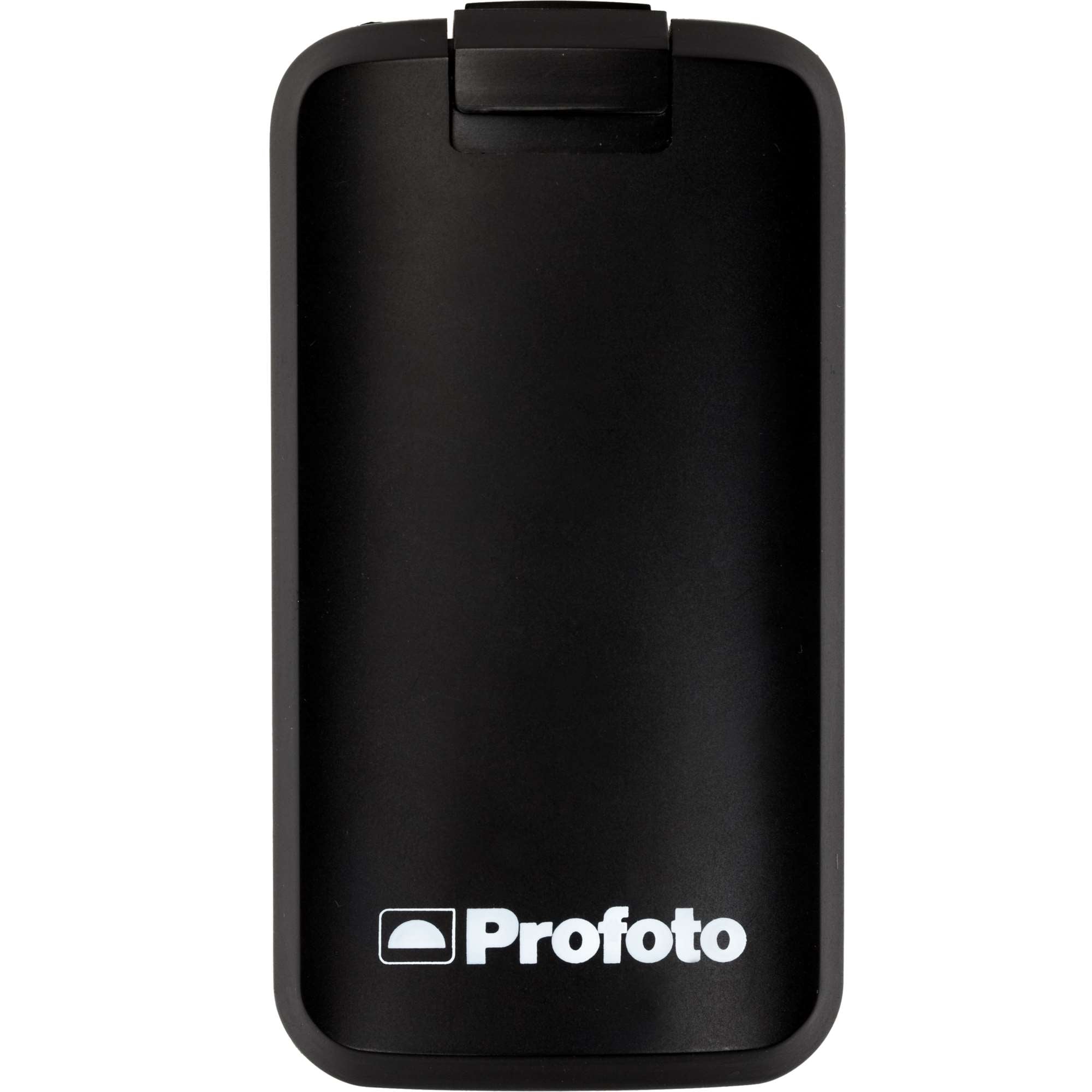
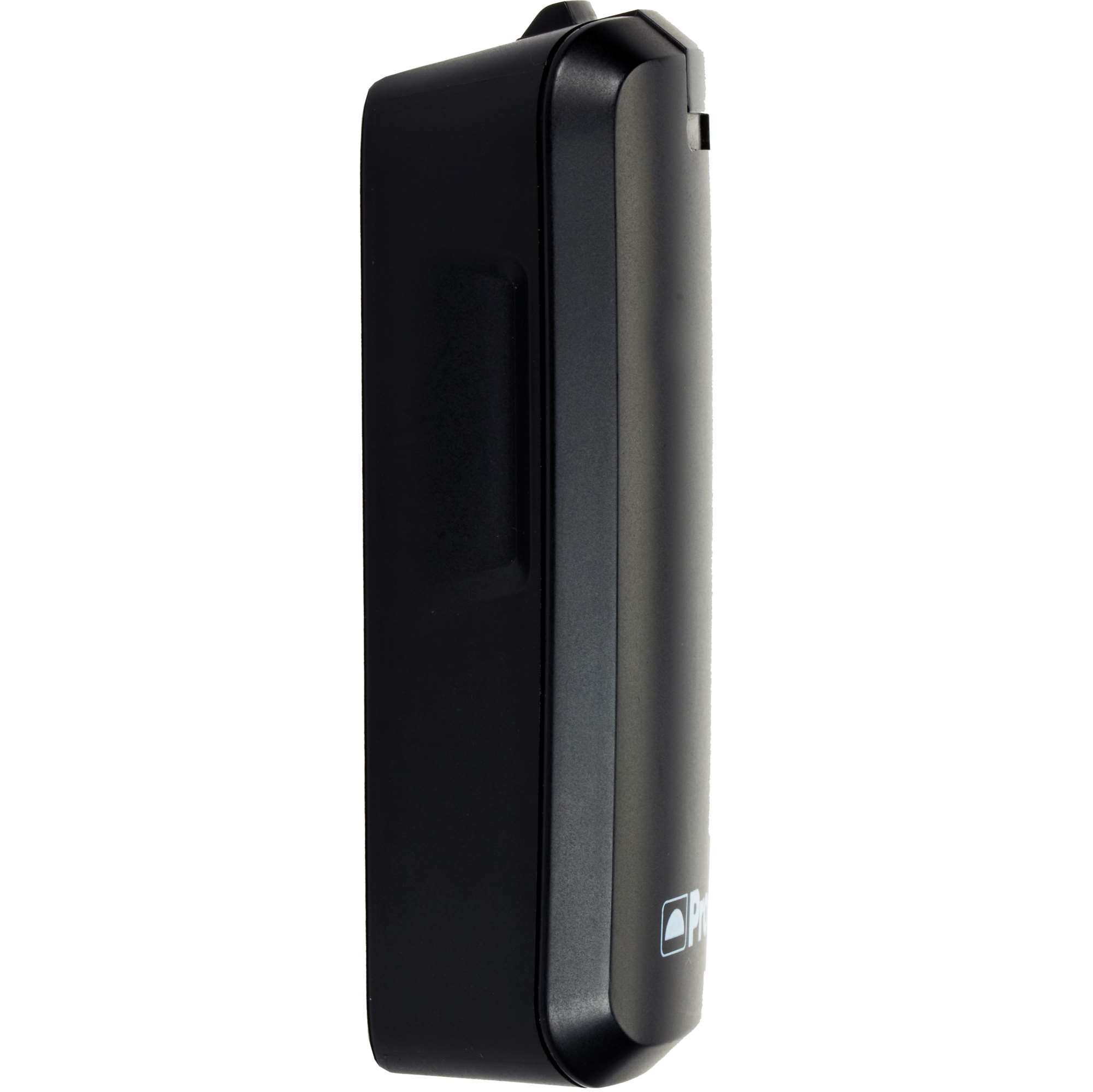
Most modern on-camera flash heads run on lithium-ion battery technology, which makes them convenient and easy to keep powered up anywhere in the world. Along with this rechargeable lithium-ion battery packs provide faster recycle times and more consistent output than cheaper AA battery powered versions. If you're shooting events or long sessions where you'll be firing the flash constantly, faster recycle times and reliable power become genuinely important.
Browse our range of Profoto A10 on-camera flash heads below to find the right unit for your camera system and shooting style.